If you are comparing CBD labels, “broad spectrum” and “THC-free” can sound like two different product types. They are not quite the same kind of claim. Broad spectrum describes how a CBD extract is presented: it may contain CBD and other hemp compounds, with THC removed or reduced. THC-free is a claim about the amount of THC in the finished product. In practice, a broad-spectrum product may also be labelled THC-free, but the wording alone does not tell you exactly what is in the bottle.
The useful question is not only “Which label should I choose?” but “What evidence supports the label?” That means checking the product’s certificate of analysis (COA), understanding what “not detected” means, and asking a pharmacist about possible interactions if you take medicines. It also means being clear about what you hope CBD will do for you: it is not a proven shortcut to switching off after work or sleeping better.
For many people, the bigger opportunity is to build an evening routine that offers the same pause, reward or transition they were looking for from a drink or another familiar habit. A product label cannot design that ritual for you; a few thoughtful cues can.
Broad spectrum vs THC-free: the basic difference
Hemp contains a range of plant compounds, including cannabinoids such as CBD and, naturally, small amounts of THC. Manufacturers process hemp extracts in different ways. “Broad spectrum” generally means that CBD is accompanied by some other hemp compounds, while THC has been removed or reduced to a level the manufacturer describes as absent. Formulations vary, so do not assume every broad-spectrum product contains the same ingredients.
“THC-free”, meanwhile, is a marketing or product claim, not a full description of the extract. It does not tell you whether the product contains other cannabinoids, how much CBD it contains, or what method the company used to test for THC. Some brands use the term to mean THC was not detected by a particular laboratory method. That is different from proving that absolutely no molecule of THC exists.
Label wording What it usually tells you What it does not tell you by itself Broad spectrum The extract may include CBD and other hemp compounds, with THC removed or reduced. The exact cannabinoid profile, THC level, or whether each batch has been independently tested. THC-free The manufacturer claims THC is absent or below a stated testing threshold. Which threshold or method was used, or whether the claim applies to the exact batch you are buying. CBD isolate The product is intended to contain CBD as the isolated cannabinoid. Whether it contains the amount stated on the front label, or whether other ingredients are present.These terms are not perfectly standardised across every brand. Treat them as a starting point for questions, not as a substitute for evidence.
How to check COA for THC
A COA, or certificate of analysis, is a laboratory report for a product or batch. If you want to check COA for THC, look for a report that clearly matches the product you are considering, ideally by batch number. A QR code lab report can make it easier to open the report from the packaging or product page, but the QR code itself is not proof of quality. Read the report it leads to.
Match the batch. Look for a batch or lot number on both the product and report. A generic report may not reflect the bottle in your hand. Find the cannabinoid results. Check whether THC is listed and whether the report names the form tested, such as delta-9 THC. A report that only lists CBD does not answer the THC question. Read the units and detection limit. “Not detected” means the result was below that laboratory method’s detection or reporting limit. It does not necessarily mean absolute zero. Check the date and laboratory details. A recent report from an identifiable independent laboratory is more useful than an undated image or a claim with no supporting information. Look beyond THC. Depending on the product, a COA may also show CBD content and screening for contaminants. Check what has actually been tested rather than assuming every possible risk is covered.If the report is difficult to find, the batch does not match, or the results are unclear, contact the company before buying. Be wary of confident “zero THC” wording that comes with no accessible test information. A clear, batch-specific report is a more practical basis for comparison than attractive packaging or a broad-spectrum label alone.
CBD label meanings: what else to read
Labels can make it easy to focus on the the largest number on the front of the bottle. Turn the packaging around and check the amount of CBD per serving, the recommended use, the full ingredient https://bizzmarkblog.com/can-i-replace-the-evening-drink-with-cbd-and-still-keep-it-intentional/ list, storage instructions and any warnings. If the product is a food supplement, remember that it is not the same as a licensed medicine. Do not treat a wellness product as a substitute for medical advice or prescribed treatment.
In the UK, CBD products sold as foods or food supplements are subject to regulatory requirements, including rules relating to novel foods. The Food Standards Agency (FSA) advises healthy adults not to take more than 10 mg of CBD a day. It also advises certain groups, including people who are pregnant or breastfeeding, people trying to conceive, and people under 18, to avoid CBD. Guidance can change, so check current FSA information and the product label.
CBD may interact with Helpful resources medicines, and a product’s “natural” or “THC-free” description does not rule out that possibility. If you take regular medication, have a health condition, or are unsure whether a CBD product is suitable, seek a pharmacist consultation or speak with your GP before using it. Do not stop or alter prescribed medication to try a supplement.
Brands such as Joy Organics may be useful to include in your comparison when you are looking at how different companies explain their formulations and testing. The same checks apply to any brand: read the current product information, locate the relevant batch report and consider whether the claims are specific enough to verify. Mention of a company is not a recommendation or an assurance about a particular product.
Choosing between broad spectrum and a THC-free claim
Start with your own requirements. If avoiding THC is important to you, do not rely on “broad spectrum” as a guarantee. Exactly.. Look for a specific THC statement and a batch-matched COA that shows the result and testing limit. If you also want to know whether other hemp compounds are included, read the full cannabinoid profile rather than inferring it from the front label.
- Want fewer assumptions? Choose a product with clear, accessible, batch-specific test results. Need to avoid THC for work, sport, personal or legal reasons? Ask a healthcare professional or relevant authority about your circumstances. Testing limits and individual requirements can differ, and “not detected” is not a guarantee of zero exposure. Taking medicines? Ask a pharmacist or GP before trying CBD, even if the product is labelled THC-free. Comparing strength? Check the CBD amount per serving, not just the total amount in the container.
If a label leaves you guessing, that is useful information in itself. There is no need to buy a product just because the terminology sounds reassuring.
After work: design a transition, not just a replacement
Suppose a drink has become your reliable signal that the working day is over. Before replacing it with CBD, ask: what job is this habit doing? Is it marking the end of emails, taking the edge off social stress, giving you a treat, filling an awkward gap, or giving you permission to sit down? The answer matters. A replacement that does not meet the same need often feels like a poor substitute.
Habit substitution works better when you keep the useful part of the old routine and change the behaviour that is not serving you. If the job is a clear boundary between work and home, try a short transition that is easy to repeat. If the job is a sense of reward, make the reward feel like one. If it is permission to rest, practise giving yourself that permission directly instead of making rest something you have to earn.
A small after-work ritual to try tonight
Close the work loop. Write down the next step for tomorrow, shut the laptop and put it out of sight if you can. Change your sensory setting. Change out of work clothes, open a window, lower the lights or put on a familiar playlist. Choose one cue, not a whole makeover. Make a deliberate drink. Pour sparkling water, a favourite cordial or a herbal tea into a proper glass or cup. The glass, temperature and first sip can make the moment feel distinct from “just having a drink”. Give yourself a clear reward. Pair the drink with ten minutes of a book, a shower, a walk or doing absolutely nothing. Tell yourself, “Work is finished; this is my time.” Repeat the smallest version. On a tiring evening, the ritual might simply be shutting the laptop and pouring the drink. A tiny first step is more dependable than a perfect routine.These small “first steps” are the sort of details worth keeping in a notebook: the particular mug, the song that helps you leave work behind, or the spot where you sit for five minutes. When a routine is hard to start, make the start visible and low-effort. Here's a story that illustrates this perfectly: wished they had known this beforehand.. Put the glass where you will see it, or leave your book on the chair. The environment can prompt the habit so you are not relying on willpower at the end of a long day.
For ideas and coaching support around routines, a community such as The Coach Space may offer a useful place to reflect on what you want your evenings to feel like. The aim is not to create a flawless wellness routine. It is to find a repeatable transition that fits your real life.

Where CBD fits—and where it does not
If you decide to explore CBD, treat it as a product choice that deserves careful label-reading, not as the whole evening plan. It cannot guarantee relaxation, better sleep or an easier alcohol-free transition. Be cautious of products or advice promising dramatic results, and do not use CBD to manage alcohol dependence or withdrawal. If reducing alcohol feels difficult, a GP or an alcohol support service can help you find appropriate support.
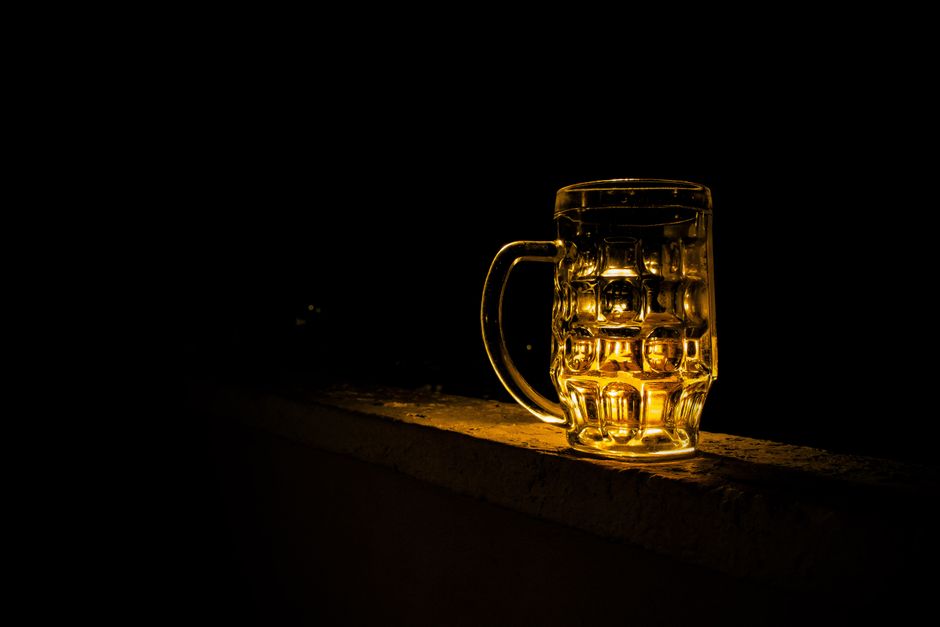
Ritual design can still make an alcohol-free evening more satisfying. Keep the things that made the old habit appealing—pause, taste, a signal that the day is done—and adjust the parts you would rather leave behind. A proper glass, a favourite flavour and a comfortable place to sit may sound small, but sensory cues help a new routine feel like a real choice rather than a punishment.
The takeaway
Broad spectrum vs THC-free is best understood as extract description versus product claim. Broad spectrum usually indicates a CBD extract with other hemp compounds and THC removed or reduced; THC-free claims that THC is absent or below a stated threshold. Neither phrase alone tells you the exact contents or proves the claim.
Ever notice how read the full label, use qr code lab reports to find the batch-specific coa, and check what “not detected” means. If you take medication or have health concerns, arrange a pharmacist consultation or speak with your GP. And if your real goal is to change your after-work routine, begin by asking what job the old habit was doing. Then build a small, sensory-rich ritual that gives you a genuine transition, reward and permission to rest.